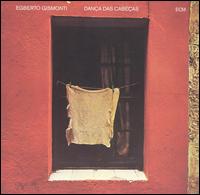
Clique aqui para baixar o disco/Download the album - RapidShare
Para mais álbuns do Egberto Gismonti, visite o blog Abracadabra-LPs do Brasil / For more Egberto Gismonti's albums, visit Abracadabra-LPs do Brasil
Post anterior do Egberto Gismonti:
Egberto Gismonti Group - Música de Sobrevivência (1993)
Past post on Egberto Gismonti:
Egberto Gismonti Group - Música de Sobrevivência (1993)
........................................................
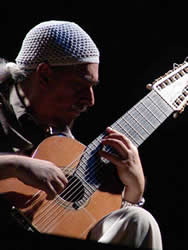 É difícil discordar: o multiinstrumentista Egberto Gismonti está entre os dez melhores instrumentistas e compositores da música brasileira. Essa é até mesmo uma avaliação indulgente porque, confesso, não é nada fácil encontrar outros nove músicos tão completos quanto Gismonti.
Foi o primeiro artista brasileiro a deter todos os fonogramas próprios. Antes dele, apenas o norte-americano Frank Zappa, seu parceiro na composição da trilha do filme Cruising 1980, tinha realizado tal feito. Algo diminuto, se comparado a sua trajetória musical, uma das mais profícuas do Brasil em todos os tempos, que já ultrapassa a marca dos 60 álbuns lançados.
A convicção com que expõe suas idéias pode, inicialmente, revelar arrogância. Mas alguns minutos já são suficientes para perceber que Egberto não tem a intenção de se fazer notável pelas palavras. Nas duas horas de conversa com a JAZZ+, durante o Festival Jazz & Blues de Rio das Ostras deste ano, Egberto falou de sua vida, do orgulho de ter filhos músicos e de acontecimentos notáveis em sua carreira.
Se, por uma lado a música foi o maior presente que ele já recebeu em toda sua vida, por outro, sua retribuição a essa arte está na incansável pesquisa sonora que desenvolve em mais de 40 anos. Já teve experiências em praticamente todas as variantes musicais estéticas e estilísticas. Tocou em pequenas e grandes casas de espetáculos e festivais do mundo inteiro e não tem preconceito a absolutamente nada. Pelo contrário, demonstra sua versatilidade expandindo parcerias e estando sempre disposto a entender a qualquer “ruído”; encarando a música como um sacerdócio.
Quais são as suas atividades atualmente?
Estou fazendo um pacote com sete discos, que pretendo lançar pela minha gravadora, a Carmo Produções Artísticas, distribuída pela ECM em 42 países. Já tenho seis discos prontos. Um tem a participação de Leo Brower violonista cubano, regendo orquestras espanholas.
Concorda com a definição intraduzível referência ao titulo da resenha de seu disco Antologia, “Intraduzível e Luminoso”, publicada na Jazz+ número 04?
Gostei muito. Quero dizer que ninguém grava 60 discos porque sabe exatamente o que está fazendo. Quem grava 60 discos está procurando mais do que os outros.
As pessoas confundem, pensam que é pelo motivo oposto. O João Gilberto sabe o que faz, por isso gravou meia dúzia de discos. Eu ainda não sei direito o que eu faço: toco violão e piano, escrevo para quarteto, sinfônica...Tem uma definição da qual eu gosto, dada por um jornalista da revista Guitar Player norte-americana, onde sou citado como “o único que toca a própria vida”. Genial isso, assim como “Intraduzível”.
Não daria então para definir a música de Egberto Gismonti?
Não. O disco Dança das Cabeças, por exemplo, ganhou o Deutsche Schallplatten Preis, na Alemanha - uma espécie de Grammy - como melhor disco de música experimental, e na Inglaterra, ganhou como o melhor de música pop. Cada grupo avalia de uma maneira. A Ensemble Records e a EMI inglesa lançaram antologias minhas também, que são completamente diferentes. Cada uma tem uma visão, um conceito de capa. Faço ainda cerca de sete apresentações por ano como convidado de orquestras sinfônicas. A minha relação com música é geral. Tenho ligações com a música indígena, com o pop brasileiro e com o universo inteiro do jazz.
Toco com qualquer pessoa. Eu só quero me divertir.
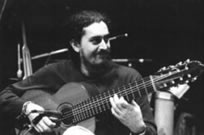 Você tem algum ídolo?
O único ídolo que eu tenho na música é meu falecido tio Edgard. Tem uma turma por aí que eu gosto muito, mas ídolo mesmo só meu tio. Quando eu tinha uns dez anos, ele me disse: “Você pode ser um músico bom e feliz em qualquer lugar do mundo. Eu toco clarineta, moro no Carmo, nunca saí daqui, tive quatro filhos e sou feliz assim.” Ele é meu exemplo.
E porque você decidiu sair do Carmo?
Saí da cidade por acaso, para tentar gravar um disco. Eu poderia ter ficado por lá e seguir os caminhos designados pela minha família – meu avô e meu tio eram mestres de banda. Saí para gravar um e gravei 60. Hoje tenho minha gravadora e uma editora, fui muito além do que eu poderia imaginar. Minha experiência no Carmo me ensinou a entrar em qualquer buraco escuro, caso lá dentro existisse uma boa música.
Quais foram suas primeiras influências?
As valsas feitas pelo meu avô Antônio. Por várias vezes coloquei as valsas dos meus avós e do meu tio em meus discos.
Pelo visto, sua família é bastante musical.
A família da minha mãe, Gismonti, gostava de participar de coros da igreja. E mesmo meu pai, apesar de não ser bom músico – tocava piano bem devagar, ruinzinho -, me apresentou várias coisas.
E o que você tem a dizer sobre seu filho Alexandre?
Tenho dois filhos – o Alexandre, violonista, e a Bianca, pianista. Eles são excelentes músicos, tocam bem mesmo. O Alexandre é ainda um bom compositor. No palco não tem esse negócio de pai e filho, somos muito profissionais nesse sentido. A vida foi muito benevolente comigo. Você imaginou se só um deles fosse músico? Seria trágico. Eu iria gostar mais daquele que fosse músico. Na minha casa sempre foi assim, meus pais gostavam mais de mim.
Qual sua relação com o jazz?
Vou contar uma boa história que define muito bem o que penso sobre o jazz. Quando era criança, eu só conhecia o jazz pelos discos que meu pai trazia de suas viagens pelo Brasil. Ele não gostava e não entendia muito, mas queria me estimular de todas as formas. Eu ganhei um disco do Liberatti, aquele horror de pianista que se vestia com pétalas e ouro, e outro do Thelonious Monk. Era um choque violento: um disco horrível e outro ótimo, os dois apresentados como jazz! Mas eu cresci e durante os anos 70 o Airto Moreira me convidou para ir a Los Angeles e fazer os arranjos de um disco dele que se chama Identity. Aceitei o convite porque queria me aproximar do tal do jazz.
Em pouco tempo, fiquei amigo de pessoas como Gil Evans e Herbie Hancock. Um dia, o Herbie me convidou para tocar na casa dele e disse: “Aqui é a minha garagem, eu tenho um estúdio, toma uma chave. Pode vir todo dia, a hora que você quiser tocar e estudar.” Achei ótimo. E durante um dos meus dias de estudo ele, sempre muito educado, perguntou: “Que bom que você está aqui, vamos tocar dois pianos juntos?” Tocamos durante meia hora, sem parar! Quando terminamos, ele comentou: “O que você achou de me ouvir tocando música brasileira?” Imediatamente perguntei: “o que você achou de me ouvir tocando jazz? E ele respondeu: “Você não tocou jazz!” Então, finalizei: “E você também não tocou nada de música brasileira!” Só aí descobri que o único brasileiro que realmente tocava jazz era o saxofonista Victor Assis Brasil. Jazz não é fraseado, não é acorde. Se fosse acorde, o Tom Jobim não teria feito Bossa Nova, teria feito jazz. Enfim, jazz eu não sei tocar.
Resultaram alguns trabalhos dessa passagem pelos Estados Unidos?
Voltei ao Brasil com um equipamento imenso e fiz um disco, Academia de Danças, que tinha máquinas acústicas e sinfônicas tocando simultaneamente. Por causa disso, o John McLaughlin guitarrista, que eu não conhecia pessoalmente, me telefonou e disse: “Acabei de lançar um disco chamado Apocalypse, que tem estilo semelhante ao trabalho lançado por você no Brasil”. Resolvemos fazer uma turnê juntos. Era um som de lata velha que a gente fingia que estava legal e pronto.
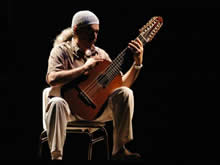 Na sua opinião, como a música brasileira influenciou o jazz?
O Tom Jobim absorveu o jazz para criar a bossa nova e mostrou um novo caminho, cheio de opções, para os próprios norte-americanos. O Tom montava acordes que os americanos não usavam. A bossa nova conquistou o mundo, principalmente os Estados Unidos. Não tem um músico norte-americano vivo que não queira tocar alguma coisa relacionada com a música brasileira. E já existe até uma lei aprovada pelo Congresso dos Estados Unidos que limita a dois o número de músicos brasileiros por conjunto. O Dizzy Gillespie trompetista foi quem propôs isso para diminuir a influência brasileira sobre a música americana. É verdade! Acho que ele pensou: “Vai ser como no futebol!” Se você aparecer lá na caverna onde está escondido o Bin Laden, no Afeganistão, vai encontrar uns três brasileiros jogando bola! É assim também na música.
Sempre escreve suas músicas?
Claro, eu tenho a formação culta em teoria musical. Já mandei partituras minhas para pianistas de vários cantos do mundo e só aqueles que têm formação clássica conseguiram acompanhá-la. É uma polifonia desgraçada! Uma mão toca um troço e a outra toca outro completamente diferente. Mas sei exatamente o que estou fazendo. Tem músico que ainda me pergunta: “Você nunca pensou em escrever as músicas que você toca?” E quando eu respondo que é tudo escrito, o cara diz, surpreso: “não parece música escrita”. Não parece porque eu sei tocar, e quem sabe tocar senta no banquinho e toca.
Mas nem por isso você deixa de lado o improviso e a espontaneidade quando toca.
Claro que não. Há um ano e meio, por exemplo, no festival de Montreal, toquei com o baixista Charlie Haden. Quando nos encontramos, o Charlie disse: “Você trouxe as partituras?” Eu não trouxe nada. Ele achou ótimo porque também não tinha partitura alguma. Então eu respondi: “Vamos tomar um café porque está tudo ótimo”. Subimos no palco e nos entrosamos perfeitamente. Do mesmo modo que ele sabe que eu saio tocando com qualquer coisa, eu sei que ele acompanha qualquer coisa. Ele deve ter uma antena parabólica para captar harmonias com tanta facilidade! Só a primeira música durou 40 minutos.
Na sua opinião, afinal, qual é a finalidade da música?
Eu só faço música para fazer o outro feliz. Música não serve para outra coisa. Às vezes eu estou tocando e penso: “Essa música é confusa pra ‘dedéu’, enrolada. Mas ela passa a sensação para quem está ouvindo de que é uma música fácil.” A pessoa sai certa daquele show de que pode pegar um violão e sair tocando. Acho isso bacana.
Mas isso não é uma armadilha?
Se eu acreditar que isso é uma armadilha, tenho que parar. Você já imaginou alguém manter as mãos vivas tocando dois instrumentos diferentes como esses? Por que isso é uma armadilha? Porque eu não conheço ninguém que toca violão bem e piano bem! O mais próximo que eu conheço é o Ralph Towner, mas ele não toca piano tão bem. Não estou falando acompanhamento, mão esquerda amarrada com esparadrapo. Se você disser para o Ralph tocar duas horas de um solo já complica.
Eu não conheço ninguém! Isso sim é uma armadilha danada que me levou a coisas que ninguém sabe, nem você, que gosta do meu trabalho! Você sabe o que é isso aqui ou não? [mostra uma cicatriz na base do polegar da mão esquerda]. São 16 pontos. Chama-se Tenossinovite, problema de tendão, por causa do piano e do violão. O meu violão tem aquele braço largo, forçou demais e me deu isso. Às vezes, a armadilha é tão grande que eu caio do cavalo e machuco a mão, quebro não sei o que... Acontece de tudo comigo, mas eu opero e ninguém sabe. Se eu começar a falar disso aqui, começa a ficar claro que é uma armadilha, e eu não estou a fim. Estou falando isso para você entender que eu não aceito que seja armadilha. Mesmo assim, caindo do cavalo, eu prefiro achar que tinha um buraco que atrapalhou meu cavalo. Fico na minha.
Que prática lhe renderam todas essas experiências?
Se eu subir naquele palco e caírem oito spots em volta, eu não paro de tocar. Só vou parar se algum cair em cima de mim. Adquiri a prática de tocar em qualquer lugar. Quando chegamos de tarde lá no palco pra fazer o som referindo-se ao Festival de Rio das Ostras, eu disse assim: “Vocês já amplificaram o piano para outra pessoa?”. Eles responderam que sim, e eu concluí que então estava pronto. Eles até acharam isso engraçado. Outra coisa: não uso monitor nunca, em hipótese alguma. Eu ouço o som que todo mundo está ouvindo.
E o som não vem com eco?
Eu me acostumei com esse eco. Gosto de tocar e ouvir o que o público está ouvindo. Nem para o violão eu uso monitor. O pessoal comenta: “Faltou o monitor!” Não faltou nada, cara, não tem monitor! Experimenta sentar, tocar e ouvir o som que está indo para o público.
O que você acha da música brasileira atual?
Gosto da Kátia B. A Kátia é uma cantora pop dessas novas. Gosto muito. “Choveu Severino” nos jovens músicos brasileiros. Sabe do que eu estou falando?
“Choveu Severino” significa que choveu alguma coisa de nordeste. E quem provocou isso pela primeira vez foi a Elba Ramalho. Esses meninos e meninas de 18 anos que estão começando a fazer o pop atual estão sofrendo muita influência da música nordestina. Experimente ouvir a Kátia que você vai entender o que estou falando. Por outro lado, gosto muito do bandolinista Hamilton de Holanda. Gosto de gente assim, que acha que é o bom, mas só enquanto estiver tocando. Porque, depois do show, quem ouviu pode dizer se o cara é bom ou não. Quando acaba de tocar, quem acha se tocou bem ou não é quem ouviu. Também admiro o Yamandú Costa. Ele é teimoso feito uma mula! O negócio dele é a música do Rio Grande do Sul. Ele é uma das poucas pessoas que conheço que fala em Radamés Gnatalli. É lindo você ver um cara com 25 anos de idade falando da cultura do próprio estado. Com esse lixo da uniformização de texto, de vestimenta e de comidas é preciso que exista gente teimosa como o Yamandú. Isso é genial!
E quanto à música dele?
Eu gosto. Acho que o Yamandú está com o fogo na cadeira. Quando ele faz um show parece que está, na verdade, fazendo quatro espetáculos ao mesmo tempo.
Quando grava um disco, é a mesma coisa. Ele é abundante em idéias o tempo inteiro. Mas vai chegar o momento que ele vai dizer assim: “Essa idéia aqui não é apenas uma só, ela vale por duas”. Porque quando ele pega o violão e começa a tocar, ele faz quatro arranjos de uma só vez! Isso é música criativa! Ele descobre coisas novas o tempo inteiro. O Yamundú só precisa descobrir que o que realmente marca um músico é a sua linguagem. Por exemplo, vamos pegar o pai de todos, o Baden Powell, que tem uma marca registrada na maneira de tocar violão que é só dele. As idéias para composição podiam se repetir, mas a expressão era única. O Yamandú é um violonista teimoso e descobrirá um caminho só dele. Tirou isso daí, o resto todo mundo pode fazer igual, mas isso, ele foi o único que fez. Se você pegar os primeiros discos do Baden, isso aparecia misturado com 300 outras idéias. Um dia ele percebeu que a chave dele estava ali. Falo isso do Yamandú de modo qualitativo, como um violonista que gosta de um violonista de 25 anos, que é tinhoso, teimoso. Difícil seria eu falar de alguém que eu não gosto. Isso não tem. Para mim, existem dois tipos de música: uma que eu preciso ouvir e outra que eu não preciso ouvir, mas não que eu não goste.
Cite três compositores dos quais você precisa da música deles.
Vou falar três brasileiros: Nelson Cavaquinho, Hermeto Pascoal e o Tom Jobim. Não tem melhor nem pior. Eles mexem com música de uma maneira em que a fé está presente o tempo inteiro.
Mario Mele - extraído do site da revistaJazz+
************************
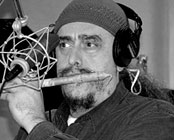 This reissue of the album recorded in 1976 is a landmark of the careers of Gismonti and percussionist Naná Vasconcelos, his only accompanist here. Recorded in only three days, the album's concept is based on the history shared by both musicians, according to ismonti: two boys wandering through a dense, humid forest, full of insects and animals, keeping a 180-feet distance from each other. The album received several international awards, in England, U.S., Germany, and Brazil. It also, changed both artist's lives: Naná immediately became a disputed international artist, touring worldwide; Egberto returned to Brazil, decided to research Amazon folklore, which would be reflected in his later work. The music is pure and sensitive, challenging and sophisticated, with a broad dynamic range going from haunting, mysterious melodies to full-impact, energetic percussive sounds reminiscent of Brazilian Indians' batuque. Attention for the re-creation of "Fé Cega, Faca Amolada" (Milton Nascimento/Ronaldo Bastos), foretold with a motif several minutes before the presentation of the integral piece.
Alvaro Neder - extracted from All Music Guide


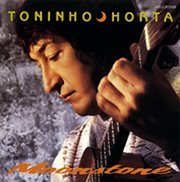
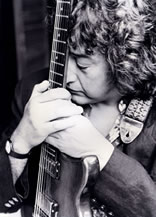 Antônio Maurício Horta de Melo nasceu em Belo Horizonte, no bairro Floresta, em 2 de dezembro de 1948. Filho de Prudente de Melo, mestre-de-obras, e Geralda Magela Horta de Melo, funcionária pública. Seu pai tocava violão e a mãe, violão e bandolim. O primeiro músico da família foi o avô materno, João Horta, funcionário da Central do Brasil que montava uma banda em cada lugar em que morava. Paulo, um de seus cinco irmãos, foi quem mais o incentivou para música. Aos 10 anos, Toninho começou a tocar violão e, aos 13, fez sua primeira composição, "Barquinho Vem". Aos 19 anos, iniciou a carreira de músico profissional tocando na noite. Na adolescência, conheceu Milton Nascimento, Márcio e Lô Borges e Beto Guedes – aos dois últimos ensinou harmonia. Mas foi a partir do Festival de Belo Horizonte, em 1969, que começou a união musical do grupo. No final dos anos 60, foi para o Rio de Janeiro, onde trabalhou com artistas como Elis Regina. Em 1972, organizou arranjos de base, tocou guitarra, baixo e percussão no disco Clube da Esquina. Após 10 anos nos EUA, em 1999 retornou ao Brasil com uma carreira internacional consolidada. Hoje dedica-se ao seu selo Minas Records e a publicação do Livrão da Música Brasileira, compilação de cerca de 700 partituras, abrangendo desde Carlos Gomes até compositores contemporâneos.
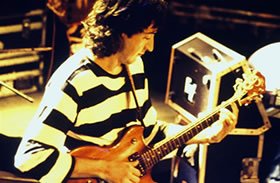 Horta embraces the most beautiful gestures of fingerstyle bossa nova, accompanying his own vocal lines with a grace that transcends mere harmonization; at a turn, he dispatches felt-toned octaves in soaring bop mode that utterly desegrates the invocations of jazz, classical, folk and african rythms within his shifting, surreal progressions. "I love to show a conception of my music", asserts Horta in an English riddled with the dialect of his native Belo Horizonte, the capital of the Brazilian state Minas Gerais. "That's much more meaningful to me than to just play guitar".
 Diamond Land, Toninho's American label debut of last year, represented the results of his dabblings in orchestral study: Its lush, sweeping arrangements are propelled by a guitar voice that sings his melodies with a provocative sweetness. Moonstone is a return to the intimate setting that lends a more organic quality to Horta's compositions, several of which he performed unaccompanied at the urging of producer Ricardo Silveira, a fine Brazilian guitarist in his own right. For the ensemble pieces, Toninho is joined again by Egan and Gottlieb, along with the Brazilian vocal group Boca Livre, drummer Paulo Braga, bassist Steve Rodby, pianist Eliane Elias and percussionist Nana Vasconcelos, among many other stylistically diverse musicians.
 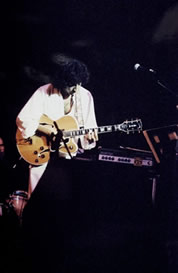 I love to play guitar, but I don't think I'd want to be a guitarist like Pat Metheny, because I like composing, singing, playing piano, production-I co-produced the first album I did here. But I thought I'd make it more simple, with less outside people, to show more of the styles, acoustic and electric, that I can play.
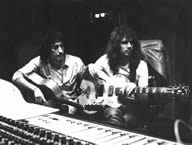 When Pat and Lyle came to Brazil, they said " Let's go to Clube Da Esquina to take pictures", but esquina is just a corner; it doesn't have a club (laughs), it's only a name. Close to the Minas Gerais corner in Brazil, there was a house belonging to (singer) Lo Borges' family: his father, his brothers, everybody playing and singing and writing songs, and sometimes I'd go and play with them. People would come and play until Milton broke out in Brazil in 1967, and then we started to play with him. I think my similarity to Pat is more natural than anything else. I loved him, and I never listened to just one solo. He's listened to my stuff a lot, but I don't think he copied anything. It's a similarity of emotion.
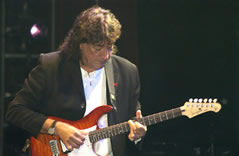 I worked in Rio for 10 years, and my producer told me, "Your place is the United States, not Brazil. "In Brazil there aremany good musicians and a lot of rythms, like baiao, samba, modinha- because Brazil is so big. The north is heavy influenced by Africa. The state of Bahia has african influences, and instruments like the congas (sings percussively)- Minas Gerais, my state, is heavily influenced by Spain and Portugal. Modinhas are like waltzes- not like jazz waltz-but Chorinhos and Modinhas have many influences from Spain and Portugal; mandolins, violins and guitar for example. The melodies and rythms are very Spanish. The rythms are very folk-song-like. And Rio de Janeiro has a more urban influence. Brazil is great musically, but to make music there, it's very, very hard, economically, politically, and socially. You see, you> have contemporary jazz, rock and pop. In Brazil now, we have instrumental music (laughs). The musicians don't have many opportunities, and to play at nights at clubs is hard. Also, there isn't much information. Here, you can buy the records of John Coltrane or Chopin or debussy, and you have the solos of Tal Farlow and Barney Kessel and Joe Pass. And the Berklee school, you get a thousand people playing the same thing, which actually is kind of bad. In Brazil, you don't have this, because it's hard to get a teacher and have big schools and information and books. I hope to release in Brazil a Real Book with about 350 songs by composers from Minas Gerais. Many important guys have risen from Brazil. The cultural secretary of Minas Gerais may be able to give the money for the project. It's important for the United States, because Brazilian music is better here again now, and there is interest in these harmonies and melodies.
 Br-Instrumental no Twitter


 Postagens


