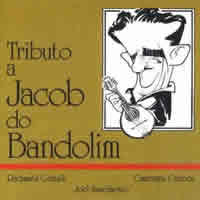
Clique aqui para baixar o disco/Download the album - RapidShare
........................................................
 Grupo instrumental originalmente formado por Joel do Nascimento (bandolim), Raphael Rabello (violão de sete cordas), Luciana Rabello (cavaquinho), Maurício Carrilho (violão), Celsinho Silva (pandeiros) e Luiz Otávio Braga (violão), em 1979, com o objetivo de executar a suíte "Retratos" de Radamés Gnattali. Nesse mesmo ano, Hermínio Bello de Carvalho, que havia presenciado uma apresentação informal dos instrumentistas por ocasião do aniversário do maestro, idealizou e dirigiu o espetáculo "Tributo a Jacob do Bandolim", em homenagem aos dez anos de falecimento do bandolinista, com a participação de Radamés Gnattali e do grupo de músicos que batizou como Camerata Carioca. O show gerou disco homônimo, lançado nesse mesmo ano.
 O conjunto teve, em outras formações, a participação de João Pedro Borges (violão de sete cordas), Henrique Cazes (cavaquinho), Beto Cazes (pandeiros) e Edgar Gonçalves (sopros). Interpretando um repertório de obras das áreas erudita e popular, lançou, em 1982, o LP "Vivaldi & Pixinguinha". Nesse mesmo ano, atuou, ao lado de Nara Leão, no show "Nasci para bailar".
Em 1983, gravou o LP "Tocar", contendo obras de Astor Piazzolla, Wagner Tiso, Pixinguinha, Radamés Gnattali e Anacleto de Medeiros, entre outros. Também nesse ano, participou, ao lado da Orquestra Sinfônica do Rio de Janeiro e do Duo Assad, do concerto realizado no Teatro Municipal do Rio de Janeiro em homenagem a Radamés Gnattali, por ocasião da entrega ao maestro do Prêmio Shell na categoria Música Erudita. Ainda em 1983, apresentou, ao lado de Radamés Gnattali e Elizeth Cardoso, "Uma rosa para Pixinguinha", recital que gerou LP homônimo.
No ano seguinte, gravou o LP "Rapsódia Brasileira, contendo obras de Catulo da Paixão Cearense, Hekel Tavares, Jayme Ovalle e Chico Buarque, entre outros.
************************
 Camerata Carioca was a group formed and led by the choro mandolinist Joel Nascimento, or Joel do Bandolim. In 1978, Joel do Bandolim asked Radamés Gnattali to transcribe Gnattali's suite, "Retratos," for Joel's choro regional (small ensemble). The transcription reshaped the group into a chamber format, and they adopted the denomination Camerata Carioca (given by Hermínio Bello De Carvalho), which opened doors for a new direction of choro where erudite elements were introduced. The band was formed after The Os Carioquinhas, with Raphael Rabello (seven-string violão), Maurício Carrilho (violão), Luciana Rabello (cavaquinho), and Celsinho (pandeiro). The solo violão of Luiz Otávio Braga was added to this formation. Before the group's opening, Luiz Otávio traveled to Japan with Paulo Moura and was replaced by João Pedro Borges. In 1979, the group, with Joel and Gnattali, performed the tribute show Tributo a Jacob do Bandolim, in Curitiba PR, Rio de Janeiro RJ, and Brasília DF, which was recorded and released through WEA. The group followed a transcription written by Gnattali of Vivaldi's Concerto grosso Op. 3 #11 in D minor and Concerto No. 5: Seresteiro for piano and orchestra, performed by the Camerata at Rio's Teatro Municipal. An increase in their rehearsal routine demanded the departure of Rafael and Luciana Rabello, who were replaced by Luiz Otávio and Henrique Cazes. The percussion was delivered to Beto Cazes. The show Vivaldi and Pixinguinha, also with Gnattali, opened at the Teatro Guaíra (Curitiba PR), recorded and released by Funarte (1980). The Camerata also worked with important singers like Elizeth Cardoso, soprano Maria Lúcia Godoy, and Nara Leão, opening the show Nasci Para Bailar with the latter in late 1982. In the same year, the Camerata shared instrumental tracks with Paulo Moura in Nara Leão's Meu Samba Encabulado. In May 1983, they opened the successful show Uma Rosa Para Pixinguinha with Elizeth Cardoso and Radamés Gnattali, which was recorded live, released in LP format, and reissued on CD. Tocar came out in 1983 by Polygram, also with the participation of Gnattali. In August 1983, the group toured the Northeast in the Pixinguinha Project with great success. In the same month, they received the Shell prize at the Teatro Municipal, where they performed again with Gnattali, along with the Orquestra Sinfônica do Teatro Municipal. In May 1986, Camerata Carioca dissolved after several international tours.
Alvaro Neder - extracted from All Music Guide


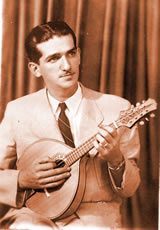 Maior referência brasileira no instrumento que virou parte de seu nome, Jacob alçou o bandolim a um lugar de honra na música brasileira. Esse trabalho vinha sendo desenvolvido antes por outros instrumentistas, como Luperce Miranda, mas foi Jacob quem colocou definitivamente o bandolim como instrumento solista por excelência.
 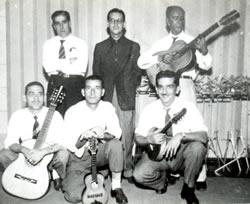 Jacob do Bandolim is one of the first names in the history of the choro genre. A serious and dedicated musician, he instilled a high degree of professionalism in the traditionally relaxed music — even if he was never a professional himself (he made a living as a notary). He struggled to preserve Brazilian roots, and fought to impose his artistic sincerity on the music industry. He left important compositions that were incorporated in the repertory of chorões.
 Br-Instrumental no Twitter


 Postagens


